
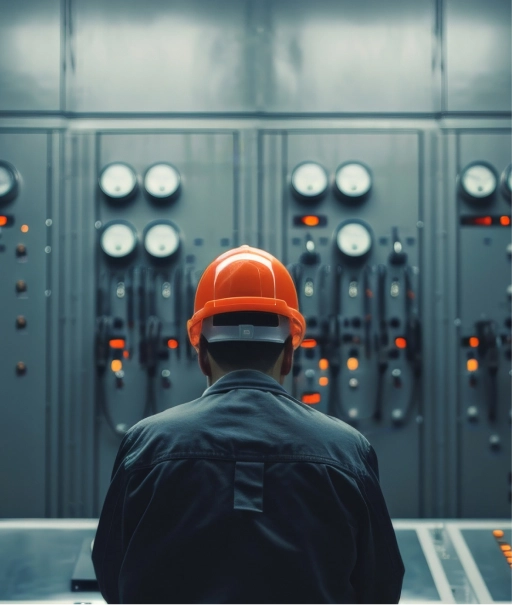
When it comes to electrical distribution infrastructure, we know how to make it work smoothly, above and below the ground. We have transformed messy overhead power lines into sleek underground cable networks for smarter cities. Our work with HT/LT upgrades and AB cabling systems helps communities stay connected and safe.
Projects like the ones in Shivamogga, Belagavi, and Bengaluru are examples of our commitment to smart, modern power grids. We integrate optic fiber and smart meters for a future-ready distribution system.
With partners like BESCOM, MESCOM, KIADB and utilities across india, we have tackled power challenges across Karnataka and beyond.

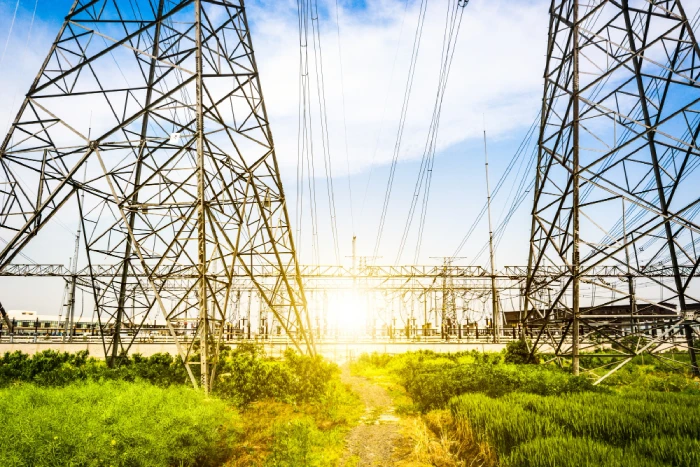
The project for conversion of 11 kV overhead (OH) lines into an underground (UG) cable system, along with associated network strengthening works, in S-18 Sub Division of Jayanagar Division, Bangalore South Circle under BMAZ (South), for Bangalore Electricity Supply Company Limited, is a significant initiative undertaken under Phase-III of distribution infrastructure modernization. The project is aimed at enhancing the reliability, safety, and efficiency of the urban power distribution network while supporting the growing load demand in the region.
The scope of work includes conversion of existing 11 kV OH lines into underground cable systems using high-quality XLPE cables, ensuring improved protection against environmental factors and reduction in faults. The project also involves running of new feeders for effective bifurcation of load, thereby optimizing load distribution, reducing feeder overloading, and improving voltage profile across the network. In addition, the conversion of LT OH lines into underground and Aerial Bunched (AB) cable systems is carried out to enhance safety, minimize power theft, and ensure uninterrupted power supply in densely populated areas.
A key feature of the project is the laying of Optical Fibre Cable (OFC) along with LT UG cables, enabling advanced communication and smart grid functionalities such as real-time monitoring, automation, and faster fault detection. The integration of power and communication infrastructure supports future-ready distribution systems aligned with smart city objectives.

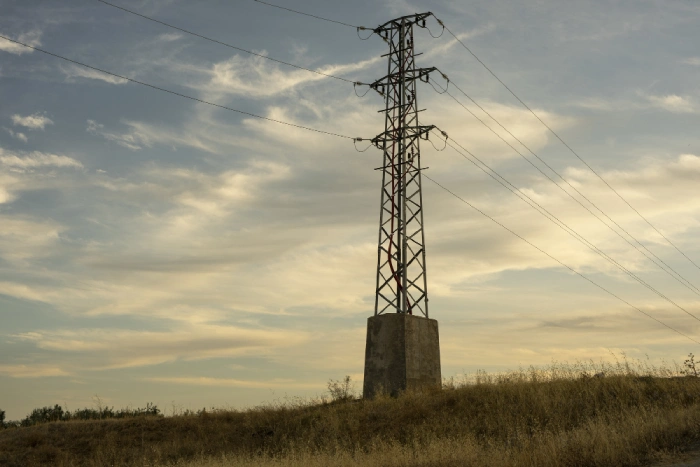
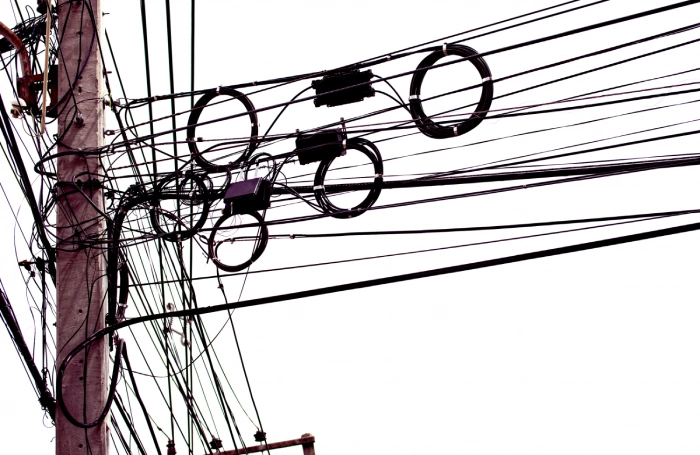
The project for conversion of HT (High Tension) and LT (Low Tension) overhead lines into an underground cabling network for Shivamogga Smart City Limited is a key initiative aimed at modernizing the city’s electrical infrastructure and enhancing urban aesthetics. As part of the Smart City mission, this project focuses on improving reliability, safety, and efficiency of the power distribution system while creating a clutter-free urban environment.
The scope includes dismantling of existing overhead HT/LT lines and installation of underground cable systems using high-quality XLPE insulated cables, laid through trenching and ducting with appropriate protective measures. The project also involves installation of feeder pillars, ring main units (RMUs), compact substations (CSS), and advanced jointing systems to ensure uninterrupted and efficient power distribution. By shifting to underground cabling, the system significantly reduces faults caused by weather conditions, minimizes transmission losses, and enhances public safety by eliminating exposed conductors.
In addition to technical upgrades, the project contributes to improved city planning by removing overhead lines, thereby enhancing the visual appeal of roads and public spaces. The execution is carried out on a turnkey basis, covering detailed survey, design, engineering, procurement, installation, testing, and commissioning.

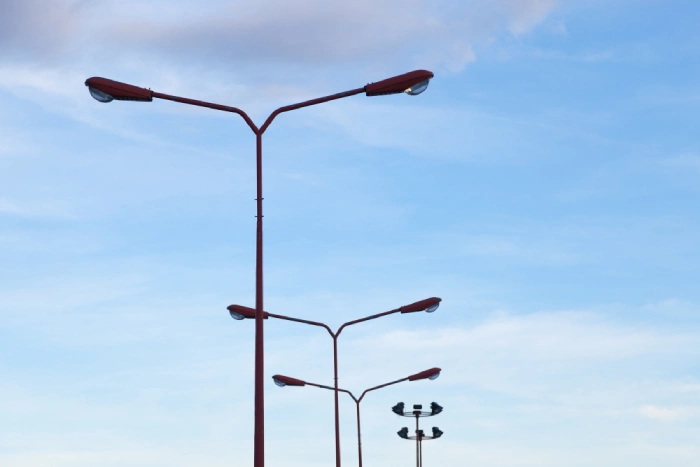
The project for conversion of LT (Low Tension) overhead lines to an underground cabling system, along with installation of modern streetlight poles, undertaken for Belagavi Smart City Limited, is a key urban infrastructure initiative aimed at enhancing the city’s safety, reliability, and aesthetics. This project forms an integral part of the Smart City mission, focusing on modernization of electrical distribution networks and improvement of public utilities.
The scope of work includes dismantling of existing LT overhead lines and replacing them with underground cable networks using high-quality insulated cables, laid through trenches or ducting systems with proper protection and routing. This transition significantly reduces technical losses, minimizes faults due to weather conditions, and enhances public safety by eliminating exposed conductors. The project also involves installation of feeder pillars, distribution boxes, and necessary jointing systems to ensure efficient power distribution.
In addition, the project incorporates the installation of aesthetically designed streetlight poles. These poles are strategically placed to provide uniform illumination, improving road safety, pedestrian visibility, and overall urban ambience. The integration of underground cabling with smart street lighting contributes to a clutter-free environment, eliminating overhead wires and enhancing the visual appeal of the cityscape.

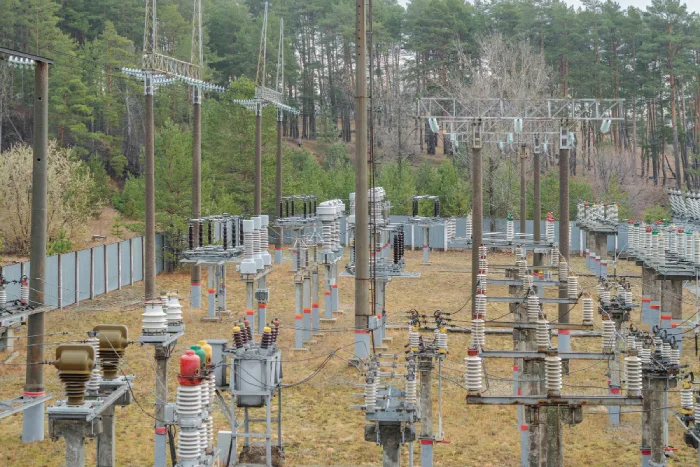
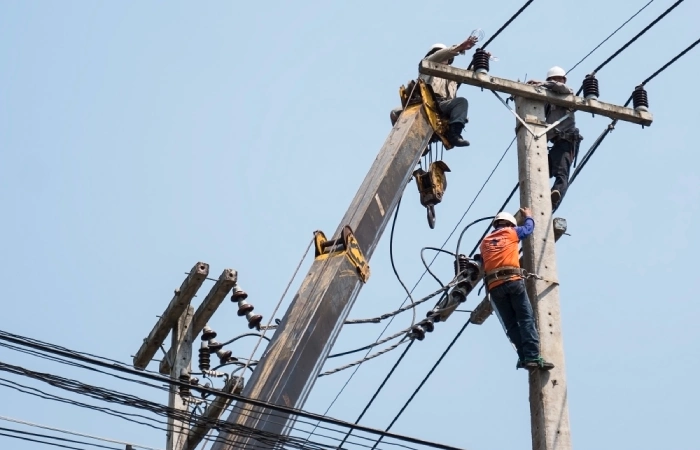
The project for Development of Distribution Infrastructure of 11 kV Feeders in urban and industrial areas of Faridabad and Manesar Industrial Area, executed in four different contracts for Dakshin Haryana Bijli Vitran Nigam Limited, is a comprehensive initiative aimed at strengthening and modernizing the power distribution network. The project focuses on enhancing reliability, reducing technical and commercial losses, and ensuring uninterrupted power supply to high-demand industrial and urban consumers.
The scope includes augmentation and restructuring of 11 kV feeders catering to both urban and industrial loads, along with conversion of existing LT overhead lines into Aerial Bunched (AB) cable systems to improve safety, minimize power theft, and enhance system reliability. The project also involves installation and upgradation of distribution transformers, Ring Main Units (RMUs), Compact Substations (CSS), and Air Circuit Breakers (ACBs), enabling efficient load management, fault isolation, and network automation.
Designed and executed on a turnkey basis, the work encompasses detailed survey, engineering, supply, erection, testing, and commissioning across multiple locations. Special emphasis has been placed on feeder segregation, load bifurcation, and system strengthening to meet the growing power demand of industrial hubs such as Manesar and densely populated areas of Faridabad.