
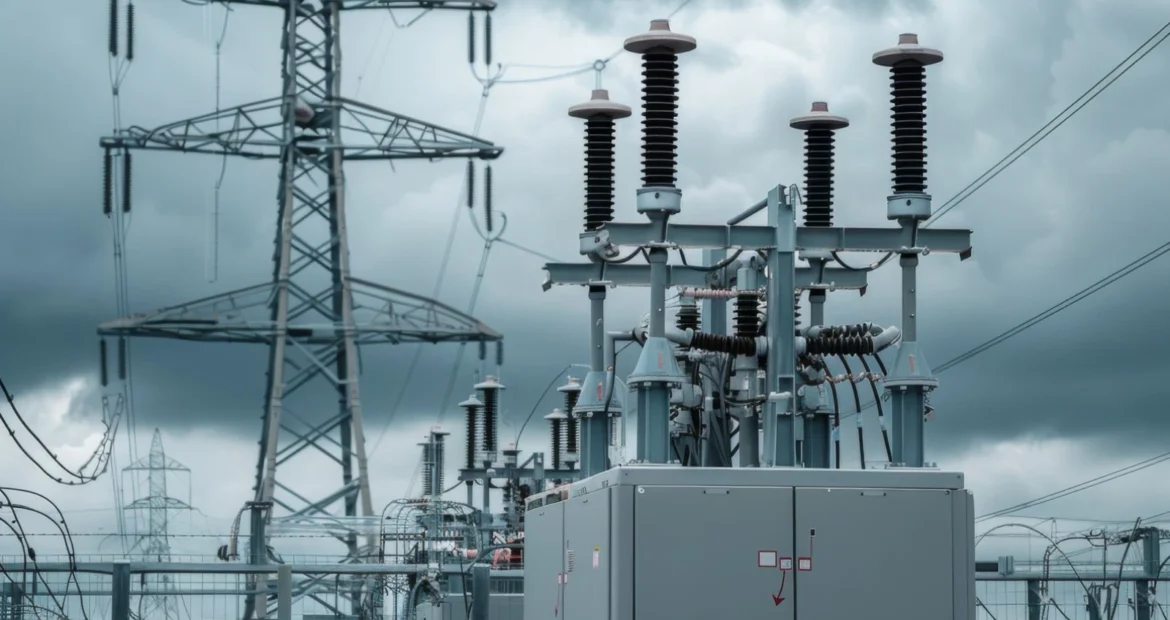
The Transmission Business Unit for EHV (Extra High Voltage) substations is responsible for the end-to-end development, execution, and management of high-capacity power infrastructure that ensures reliable bulk power transfer across the grid. This includes engineering, procurement, construction, testing, and commissioning of substations(AIS/GIS) typically in the range of 400 kV and above, along with associated transmission lines, switchyards, protection systems, and control equipment. The unit focuses on maintaining high standards of safety, quality, and compliance with utility and regulatory requirements, while optimizing project timelines and costs. It also plays a critical role in grid stability, load management, and integration of renewable energy sources by deploying advanced technologies such as GIS/AIS substations, SCADA systems, and automation solutions.
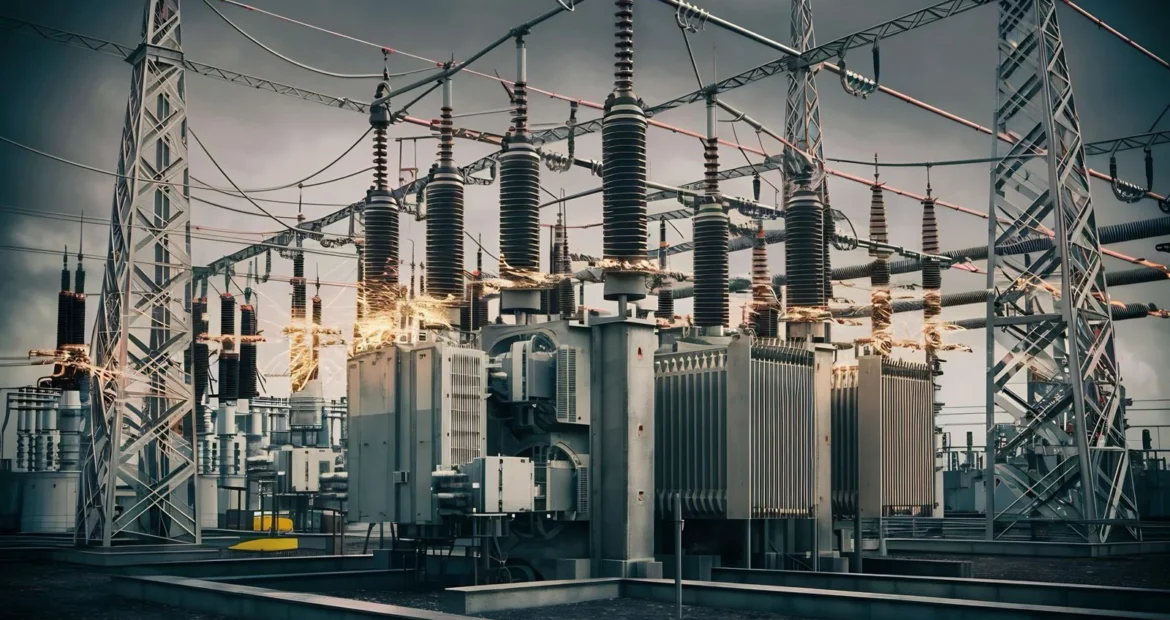
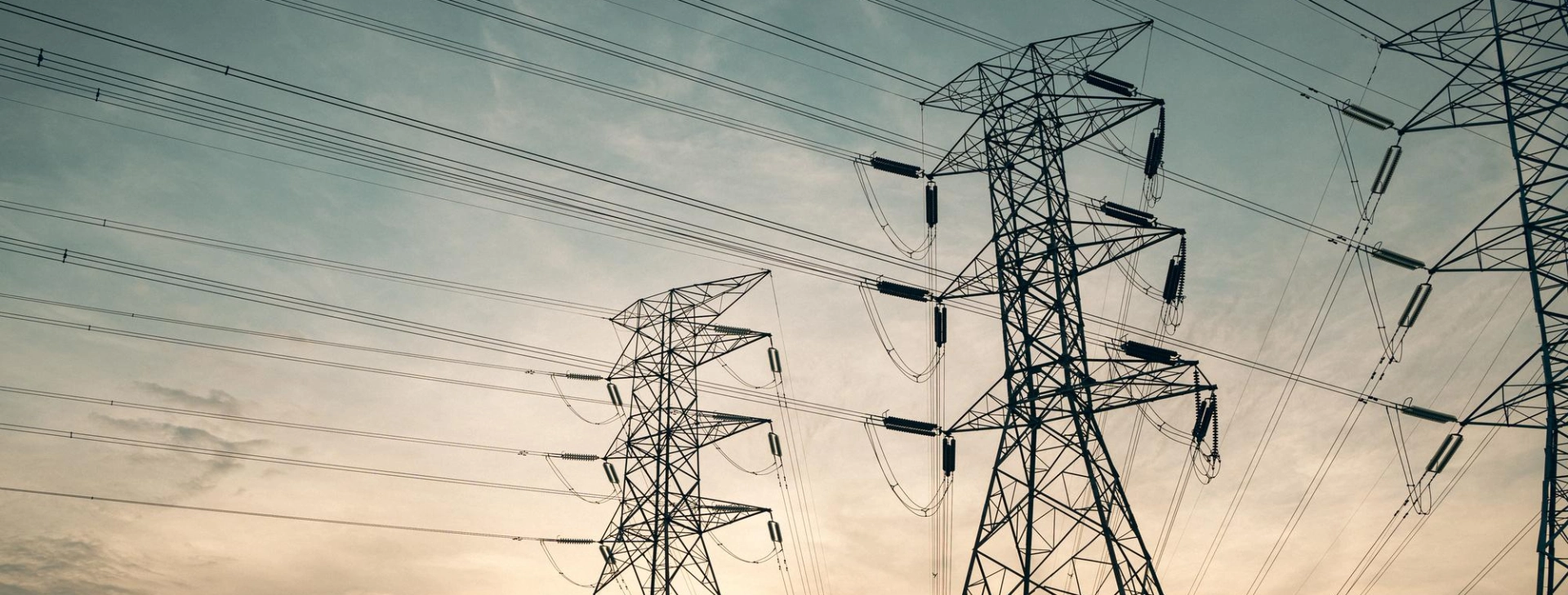
The 400/220 kV AIS Substation at Chandil, Jharkhand, developed for Jharkhand Urja Sancharan Nigam Limited, marks a significant milestone as the first 400 kV Grid Substation (GSS) established by the state utility. This landmark project strengthens Jharkhand’s transmission backbone by enabling high-capacity power transfer and improving grid reliability across the region. Strategically located at Chandil, the substation serves as a critical node for bulk power evacuation and distribution, supporting both industrial demand and regional electrification.
The substation is designed with a 400 kV Air Insulated Switchyard (AIS) configuration, ensuring operational flexibility, ease of maintenance, and cost efficiency. A key highlight of the project is the installation of high-capacity 500 MVA power transformers, facilitating efficient voltage transformation from 400 kV to lower voltage levels, including 220 kV/132 kV and further down to 33 kV for downstream distribution. The project scope encompasses complete engineering, procurement, construction, testing, and commissioning, along with advanced control, protection, and automation systems for safe and reliable operations.
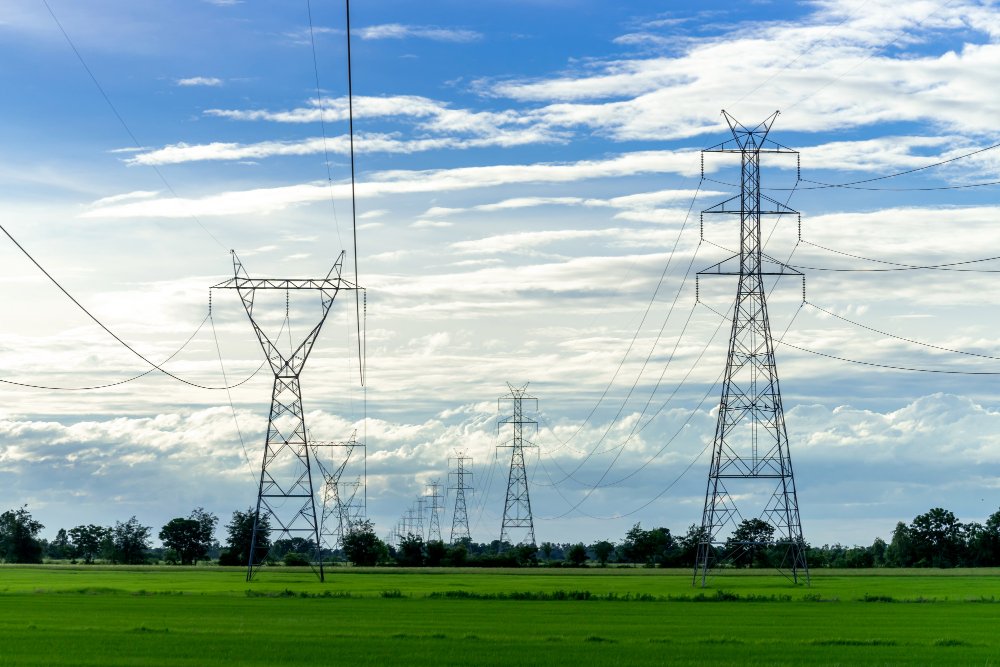
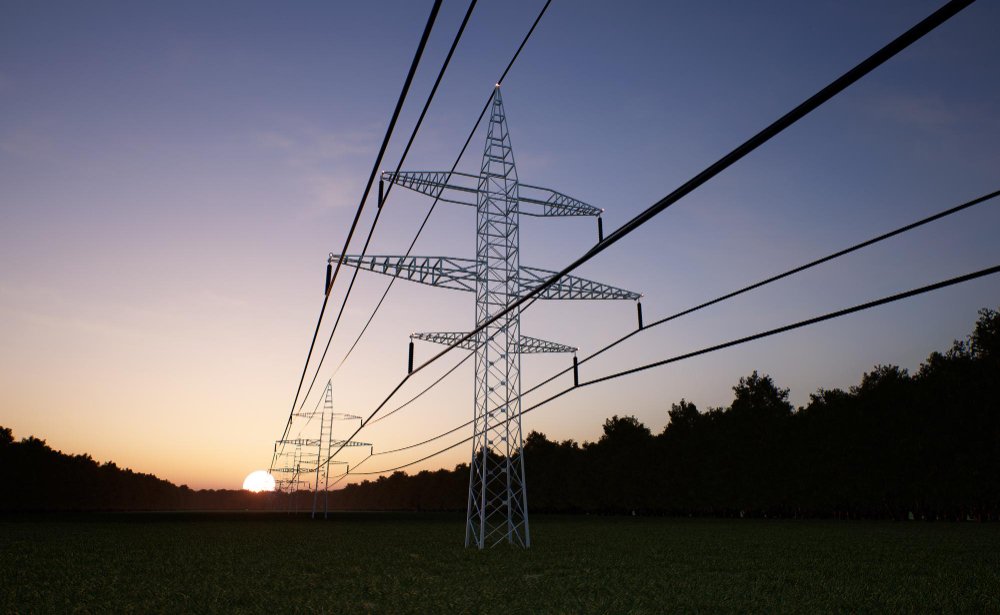
The 220/33 kV GIS Substation at Saligao, Goa, is a landmark transmission infrastructure project undertaken by the Goa Electricity Department to strengthen power reliability in North Goa. Notably, this project represents the first 220/33 kV Gas Insulated Substation (GIS) in the region, marking a significant technological upgrade from conventional air-insulated systems. Designed with a transformation capacity of 3 × 63 MVA, the substation is equipped with state-of-the-art GIS technology, ensuring compact design, higher reliability, reduced maintenance, and suitability for urban and coastal environments where space constraints and environmental conditions are critical.
A key component of the project is the development of an associated high-voltage transmission corridor, comprising an approximately 19 km long 220 kV double-circuit transmission line connecting the substation to the 400/220 kV Power Grid substation at Colvale. This transmission link plays a vital role in enabling bulk power transfer into the Saligao node, thereby enhancing network redundancy and ensuring stable power supply across major load centers including Panaji, Mapusa, Ponda, and the coastal belt of Bardez.
Executed on a turnkey basis, the project scope includes survey, design, engineering, procurement, erection, testing, and commissioning of the GIS substation along with the transmission line infrastructure. Once commissioned, the Saligao GIS substation will significantly improve voltage profile, reduce transmission losses, and address the increasing power demand driven by tourism, urbanization, and industrial growth in Goa. It stands as a critical milestone in the state’s efforts to modernize its transmission network and ensure reliable, high-quality power supply for future demand expansion.

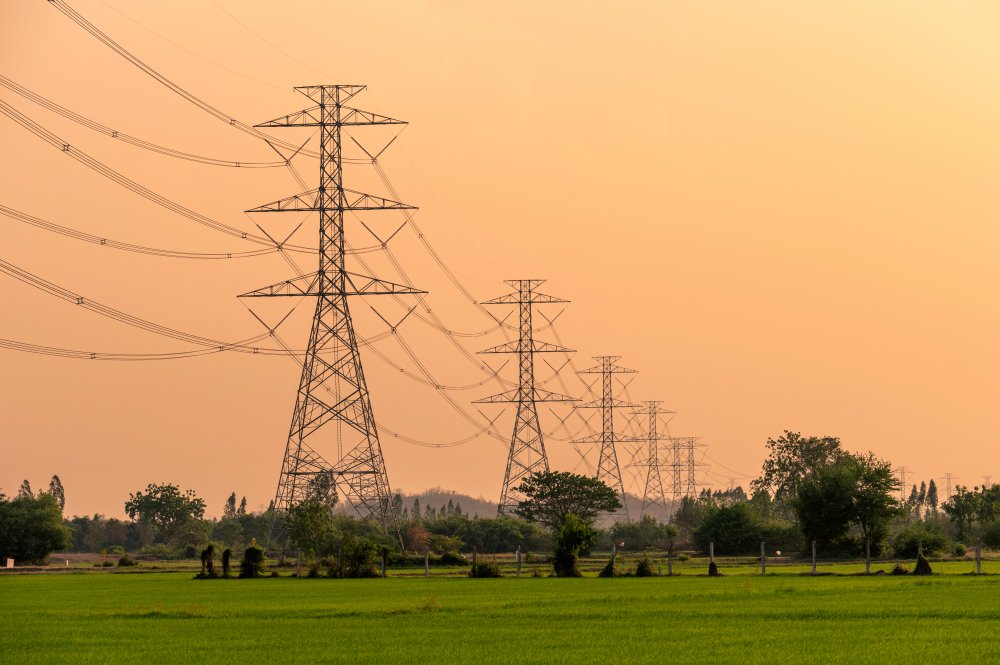
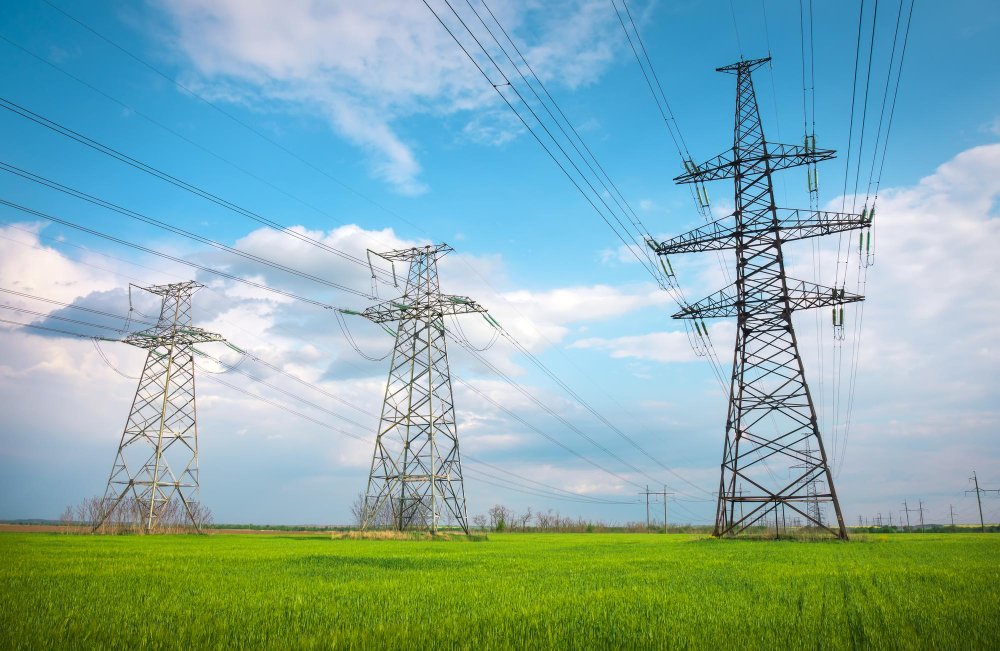
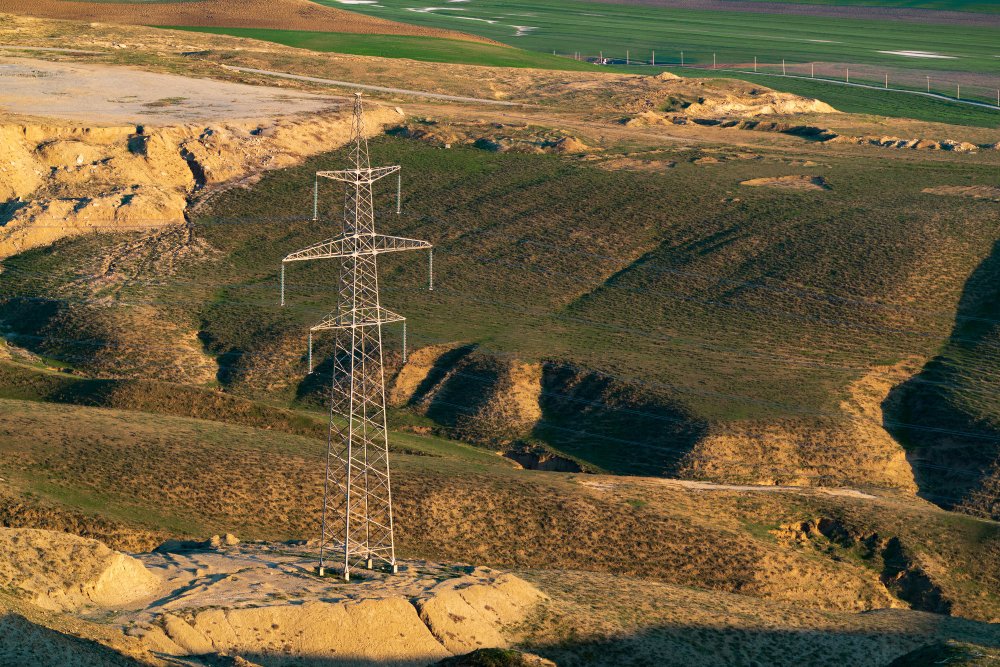
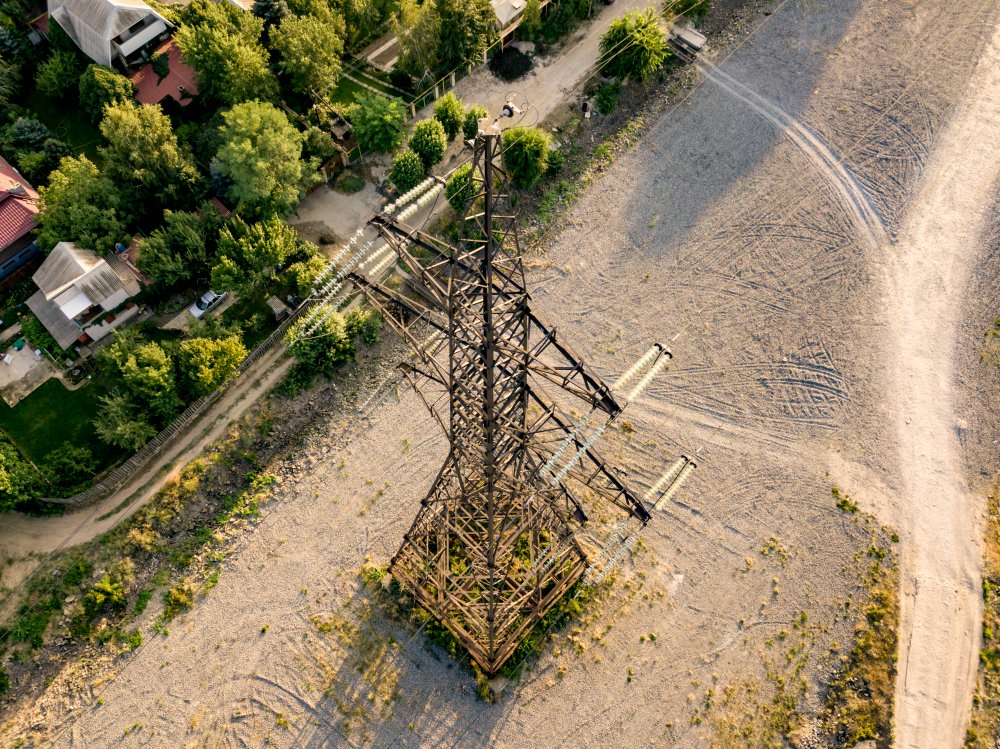
The 132 kV Transmission Line from Jadugoda to Dhalbhumgarh, spanning approximately 70 km, is a vital power infrastructure project aimed at strengthening the regional transmission network in Jharkhand. This line has been developed to facilitate efficient evacuation and transfer of power from the Jadugoda grid, ensuring reliable electricity supply to Dhalbhumgarh and surrounding load centers. It plays a crucial role in enhancing grid connectivity, improving voltage stability, and supporting the growing industrial and rural demand in the region.
Executed as a turnkey project, the scope includes detailed survey, route alignment, tower spotting, foundation works, erection of lattice towers, stringing of conductors, and testing & commissioning of the transmission line. Designed to meet stringent technical and safety standards, the line incorporates robust tower structures suitable for varied terrain conditions, including forest areas and undulating landscapes. Special attention has been given to right-of-way (ROW) management and environmental considerations to ensure minimal impact during construction.
The 220/33 kV GIS Substation at Ghansali, Uttarakhand, is a strategically important power infrastructure project developed to strengthen the transmission network in the hilly and remote regions of the state. Implemented for Power Transmission Corporation of Uttarakhand Limited, the substation is designed to ensure reliable and quality power supply to Ghansali and adjoining areas, which are characterized by difficult terrain and growing demand for electricity.
The project scope encompasses comprehensive turnkey execution, including detailed engineering, procurement, erection, testing, and commissioning of GIS equipment, control and protection systems, and associated civil works such as control room buildings and approach infrastructure. Special design considerations have been incorporated to address seismic requirements and ensure operational safety and reliability.
In addition to the core substation facilities, the project also includes the construction of residential quarters of Type-II, Type-III, and Type-IV categories. These residential units are developed to accommodate operational and maintenance staff, ensuring round-the-clock availability of personnel for efficient substation operation and quick response during emergencies. The residential infrastructure is planned with necessary amenities, contributing to improved living conditions and operational readiness.